
„Média-szöveg-értés”. Újmédia az anyanyelvtanításban
DOI:
https://doi.org/10.21030/anyp.2017.2.5Kulcsszavak:
újmédia, szövegalkotás, digitális kompetencia, médiaszöveg, Z generációAbsztrakt
A tanulmány a pedagógusok módszertani kultúrájának megújításához kapcsolódóan az újmédia felhasználási lehetőségeinek a bemutatására törekszik. Az elméleti bevezetésben kitér a generációk közötti különbségekre, és röviden áttekinti az újmédia értelmezési lehetőségeit. Az újmédia tartalom-előállító, tartalomszervező szerepét fontosnak tartva olyan feladatokat mutat be, amelyek alkalmasak a különböző narrációs technikák elsajátítására. Célja, hogy a digitális generáció számára motiváló erővel bíró, egyszerű technológiai alapokon nyugvó ötleteket adjon, elsősorban az anyanyelvtanítás számára. A saját készítésű feladatok főként médiaszövegekhez kapcsolódnak, közülük több online felületen elérhető. Közös jellemzőjük a játékosság, a vizualitás és a kreativitás, fejlesztik a szövegértési és a szövegalkotási kompetenciát, a vizuális és a verbális információk együttes értelmezésének a képességét és a problémamegoldó gondolkodást.
Hivatkozások
Aczél Petra 2010. Netorika. A digitális retorika műfajai és jellemzői. In: Kukorelli Katalin (szerk.) A tartalom és a forma harmóniájának kommunikációja. XII. Dunaújvárosi Nemzetközi Alkalmazott Nyelvészeti és Kommunikációs Konferencia. Dunaújvárosi Főiskola. Dunaújváros. 109–116.
Antalné Szabó Ágnes 2015. Paradigmaváltás az anyanyelvi nevelésben és a magyartanárképzésben In: Antalné Szabó Ágnes – Laczkó Krisztina – Raátz Judit (szerk.) Szakpedagógiai körkép I. Anyanyelv- és irodalompedagógiai tanulmányok. Eötvös Loránd Tudományegyetem. Budapest. 9–27. http://metodika.btk.elte.hu/file/TAMOP_BTK_BMK_2.pdf (2017. március 2.)
Balogh Andrea 2017. Digitális játékok az oktatásban. Anyanyelv-pedagógia 1. http://www.anyanyelv-pedagogia.hu/cikkek.php?id=668 (2017. május 2.) https://doi.org/10.21030/anyp.2017.1.5
Balázs László 2015. A Z generáció fejlesztésének lehetőségei – alternatív módszerek a közoktatásban. Anyanyelv-pedagógia. 4. http://www.anyanyelv-pedagogia.hu/cikkek.php?id=594 (2017. március 2.) https://doi.org/10.21030/anyp.2015.4.1
Forgó Sándor 2013. Újmédia – eszköz vagy dramaturgia? In: Ollé János (szerk.) V. Oktatás-informatika. Tanulmánykötet. Eötvös Kiadó. Budapest. 99–112.
Gonda Zsuzsa 2015. A digitális szövegek olvasásértésének fejlesztése az olvasási stratégiák segítségével. Anyanyelv-pedagógia 1. http://www.anyanyelv-pedagogia.hu/cikkek.php?id=555 (2017. március 2.) https://doi.org/10.21030/anyp.2015.1.3
Howe, Neil – Strauss, William 1991. Millennials Rising: The Next Great Generation. Vintage Books. New York.
Lambert, Joe 2013. Digital Storytelling. Capturing lives, creating community. Routledge. New York.
Lanszki Anita 2015. A tanulói aktivitás szerepe a digitális történetmesélésben, In: Lévai Dóra – Papp-Danka Adrienn (szerk.) Interaktív oktatásinformatika. ELTE Eötvös Kiadó. Budapest. 79–91.
Manovich, Lev 2001. The Language of New Media. MIT Press. Cambridge.
McCrindle, Marc – Wolfinger, Emily 2010. Az XYZ ábécéje. A nemzedékek meghatározása. 13–19. http://korunk.org/letoltlapok/Z_RKorunk2010november.pdf (2015. május 10.)
McCrindle Research 2012. Generations Defined. http://mccrindle.com.au/resources/
Generations-Defined-Sociologically.pdf (2017. május 3.)
Oblinger, Diana – Oblinger, James (eds.) 2005. Educating the Net Generation. EDUCAUSE. Washington D.C.
Örkény István 1968. Egyperces novellák. Magvető Kiadó. Budapest.
Pál Eszter 2013. A Z generációról. Irodalmi áttekintés. TÁMOP-4.2.3-12/1/KONV-2012-0016. Tudománykommunikáció a Z generációnak. Pécsi Tudományegyetem. Pécs.
Prensky, Marc 2001. Digital Natives, Digital Immigrants. http://www.marcprensky.com/
writing/Prensky%20-%20Digital%20Natives,%20Digital%20Immigrants%20-%20Part1.pdf (2016. november 12.)
Reeves, Thomas C. – Oh, Eunjung 2007. Generation differences and educational technology research. In: Spector, Michael – Merrill, M. David – van Merriënboer, Jeroen – Driscoll, Marcy (eds.) Handbook of research on educational communications and technology. Lawrence Erlbaum Associates. Mahwah, NJ. 295–303.
Schramm, Wilbur Lang 1964. Mass Media and National Development: The Role of Information in the Developing Countries. Stanford University Press. Stanford.
Sváb Ágnes 2013. Online alkalmazások az anyanyelvi órán. Anyanyelv-pedagógia 4. http://www.anyanyelv-pedagogia.hu/cikkek.php?id=484 (2017. március 2.) https://doi.org/10.21030/anyp.2013.4.4
Szűcs Pál 1986. Technológiai fejlődés és az oktatástechnika értelmezésének változása. In: Benedek András – Nováky Erzsébet – Szűcs Pál (szerk.) Technológiai fejlődés az oktatásban. Tankönyvkiadó. Budapest.
Tari Annamária 2011. Z generáció: klinikai pszichológiai jelenségek és társadalom-lélektani szempontok az információs korban. Tericum. Budapest.
(1) Forgó Sándor: Az újmédia hatása. regi.ofi.hu/kiadvanyaink/095-dr-forgo-sandor (2017. március 15.)
(2) Wordart. https://wordart.com (2017. május 2.)
(3) Jason Davies. www.jasondavies.com (2017. május 2.)
(4) Háry János Mesefesztivál a gyermeknapi hétvégén Szekszárdon. https://www.programturizmus.hu/ajanlat-hary-janos.html (2017. április 22.)
(5) https://wordart.com/wa/1 (2017. április 22.)
(6) LearningApps. www.learningapps.org (2017. május 2.)
(7) A könyv. https://www.youtube.com/watch?v=duyq81ZWL-w (2017. május 2.)
(8) A könyv. https://learningapps.org/display?v=pxnxs66ak17 (2017. május 2.)
(9) Retorika. https://learningapps.org/1933672 (2017. május 2.)
(10) Quizlet. www.quizlet.com (2017. május 2.)
(11) Nonverbális kommunikáció. https://quizlet.com/_3f2qhy (2017. május 2.)
(12) Kahoot. https://getkahoot.com/ (2017. május 2.)
(13) Quizrevolution. http://www.quizrevolution.com (2017. május 2.)
(14) Quizworks. http://www.onlinequizcreator.com (2017. május 2.)
(15) Lucidpress. www.lucidpress.com (2017. május 2.)
(16) https://www.lucidpress.com/documents/edit/103a5966-d3f0-4fe3-ad00-7143fdf361f4#) (2017. április 25.)
(17) Makebeliefscomix. www.makebeliefscomix.com (2017. május 2.)
(18) Tolnában és Vasban is hármas ikrek születtek. http://sokszinuvidek.24.hu/eletmod/2016/06/20/tolnaban-es-vasban-is-harmas-ikrek-szulettek/ (2017. április 25.)
(19) Képregény. http://www.makebeliefscomix.com/Comix/?comix_id=3491038C2209855) (2017. április 25.)
(20) StoryboardThat. https://www.storyboardthat.com (2017. május 2.)
(21) Joe Lambert: Digital Storytelling. https://4.bp.blogspot.com/-67N5Jsr1mco/VFUOZmytIdI/AAAAAAAAG8k/KeAIfRw045Q/s1600/storyboard.jpg (2017. május 2.)
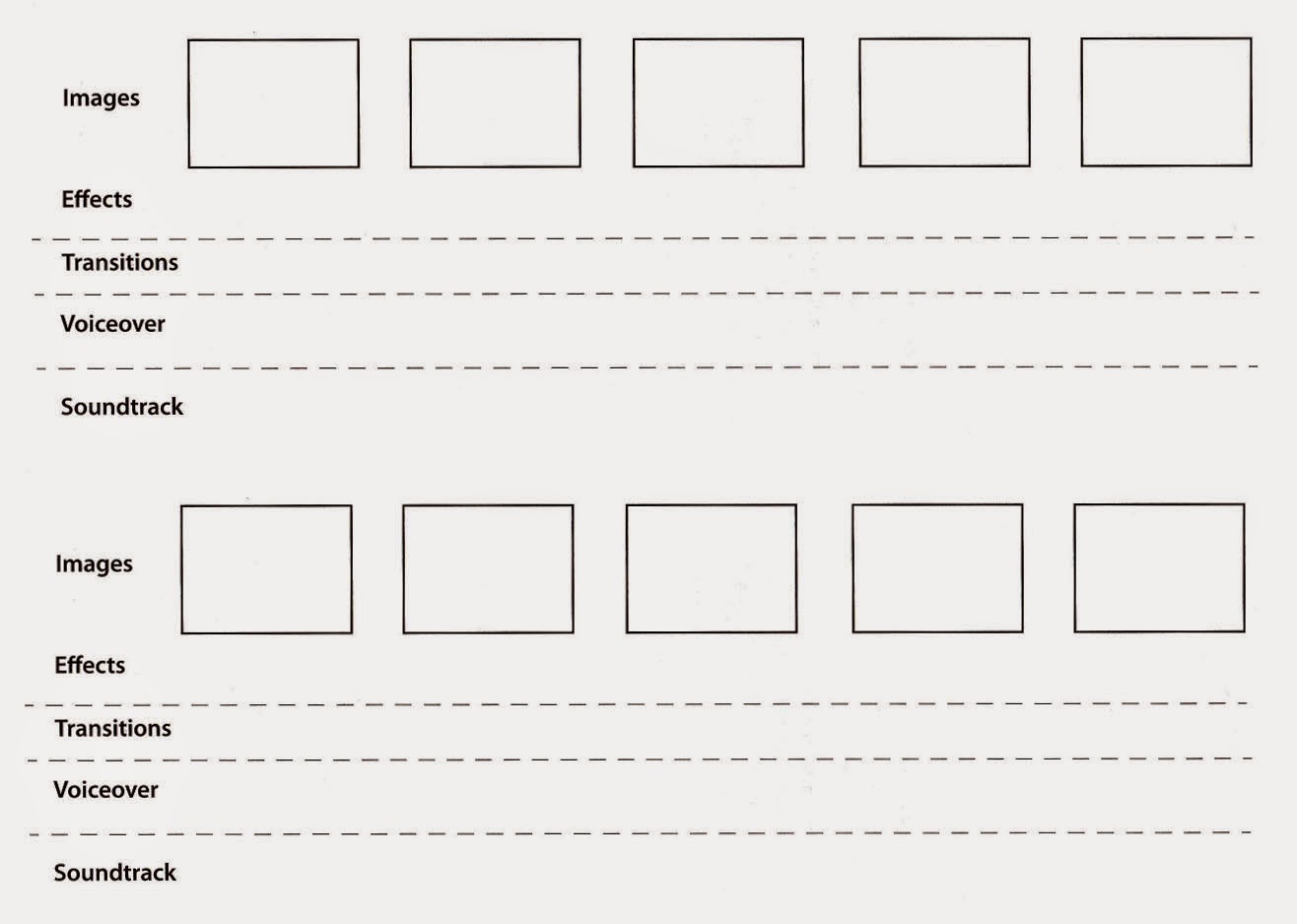
(22) Photo Peach. www.photopeach.com (2017. május 2.)
(23) Szabadon felhasználható, jogtiszta képek oldalai: www.pixabay.com, www.flickr.com,
www.europeana.eu, www.gratisography.com, www.unsplash.com (2017. május 2.)
(24) Szabadon hozzáférhető vágóprogramok: www.wevideo.com, www.photopeach.com (2017. május 2.)
(25) Áll a régi ház még. https://www.wevideo.com/view/844442296 (2017. május 2.)
(26) Nyelvjárások. https://www.youtube.com/watch?v=s9-140N8NsU (2017. május 2.)
(27) János, a vitéz. https://www.wevideo.com/hub#view/847274198 (2017. május 2.)
##submission.downloads##
Megjelent
Hogyan kell idézni
Folyóirat szám
Rovat
License
Copyright (c) 2017 Boronkai Dóra

This work is licensed under a Creative Commons Attribution-NonCommercial 4.0 International License.
A folyóiratban publikált írások szerzői joga a szerzőt illeti. A folyóiratot az első publikálás joga illeti meg. A megjelenő írásra a Creative Commons License “Attribution-NonCommercial 4.0 International" (CC BY-NC 4.0) licenc vonatkozik. Ez azt jelenti, hogy a megjelenő munka másolása, továbbadása, elemeinek hasznosítása, átalakítása és további munkához való alapul vétele a kereskedelmi hasznosításon kívül bármilyen céllal megengedett, de csakis a szerző megfelelő elismerése, a licenc megjelölése, valamint bárminemű változtatás jelölése mellett.
Az Anyanyelv-pedagógia folyóirat semmiféle díjat nem ró szerzőire a cikkek kezelésért, benyújtásáért, publikálásáért. Minden írás, amely a folyóiratban megjelenik, közzététele után azonnal ingyenesen hozzáférhető.