
The Goddess Isis and her Hypostases in Ancient Egyptian Conceptions of the Afterlife
DOI:
https://doi.org/10.63872/XYLO4562Keywords:
Isis, syncretism, hypostasis, Pyramid Texts, Coffin Texts, Ha, OsirisAbstract
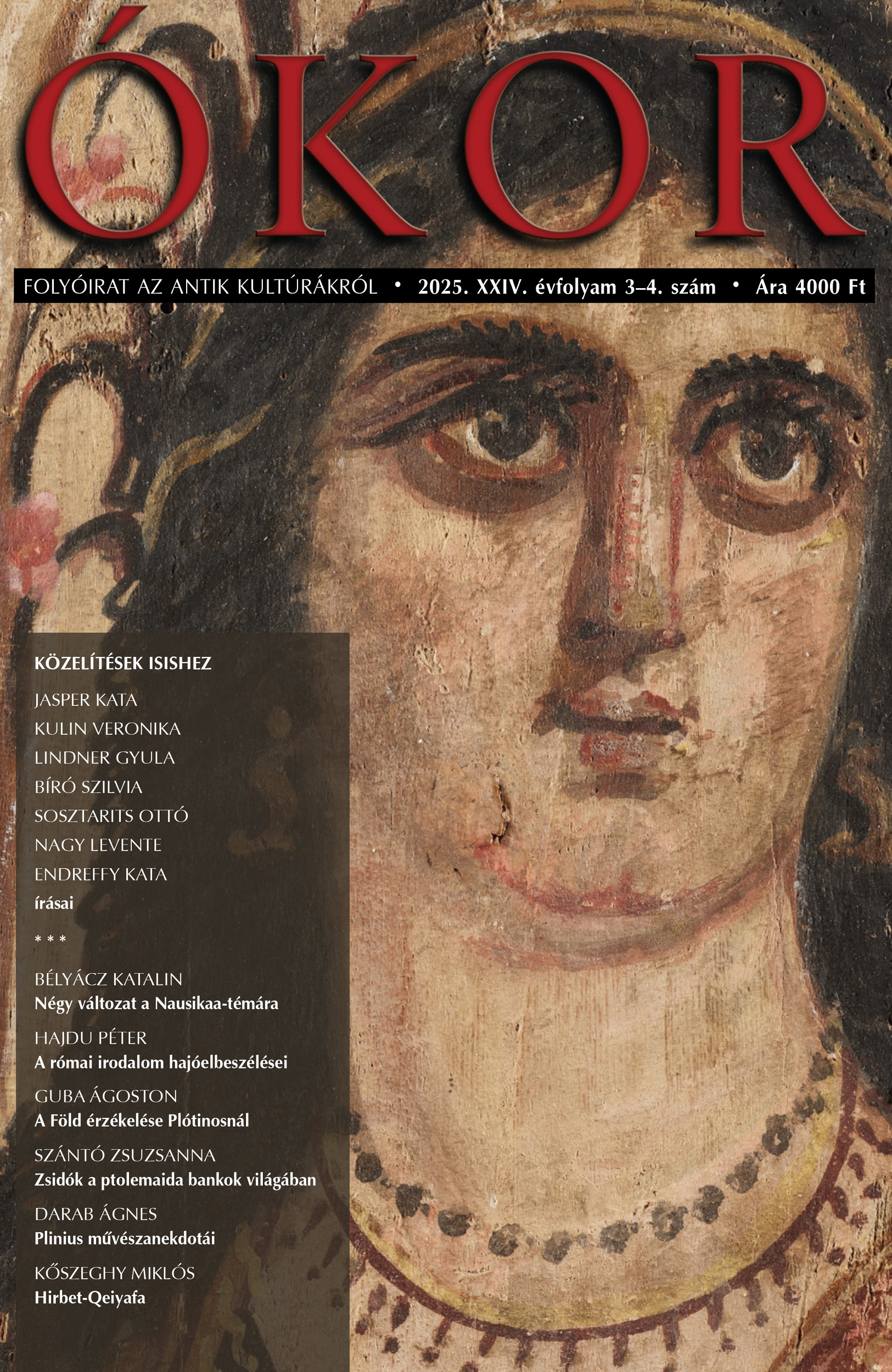
This article examines the figure of the goddess Isis within the context of ancient Egyptian conceptions of the afterlife, with particular attention to her syncretistic manifestations and hypostases. It begins by outlining a fundamental characteristic of Egyptian theology that allowed for the flexible overlap of divine functions and attributes, illustrating this phenomenon through the relationship between Ha and Osiris. Drawing on evidence from the Pyramid Texts and the Coffin Texts, the study then reconstructs Isis’ earliest funerary and afterlife roles: as the spouse who revives Osiris, the mother who protects Horus, the guardian of the deceased, and a deity associated with the sky and with regeneration. Particular attention is devoted to textual and iconographic evidence reflecting Isis’ functional identification with other goddesses, including Sothis, Hathor, the Goddess of the West, and Maat.
Downloads
Published
Issue
Section
License

This work is licensed under a Creative Commons Attribution-NonCommercial 4.0 International License.
